
Home / Guides

Asbestos floor tiles: how to spot them and what to do

Older floor tiles turn up all the time when people lift carpets or start a new kitchen. Some contain asbestos, and so can the black adhesive underneath them.

Asbestos floor tiles: how to spot them and what to do

What they usually look like

Small square tiles, often around 9 inches (225mm) across, in plain or speckled colours, laid in older homes, schools and offices. They are often hard and brittle rather than soft and flexible. The black, tar-like adhesive underneath can contain asbestos too.

Age is the clue

Asbestos was banned in the UK in 1999. Tiles laid before then could contain it, especially in buildings from the 1950s to the 1980s.

Do not grind, sand or break them

Intact tiles are generally low risk if left alone. Breaking them up, grinding the adhesive or sanding the floor is what releases fibres.

Testing first

A small sample of the tile and the adhesive is taken and tested, so you know for certain before you plan the floor.

Your options

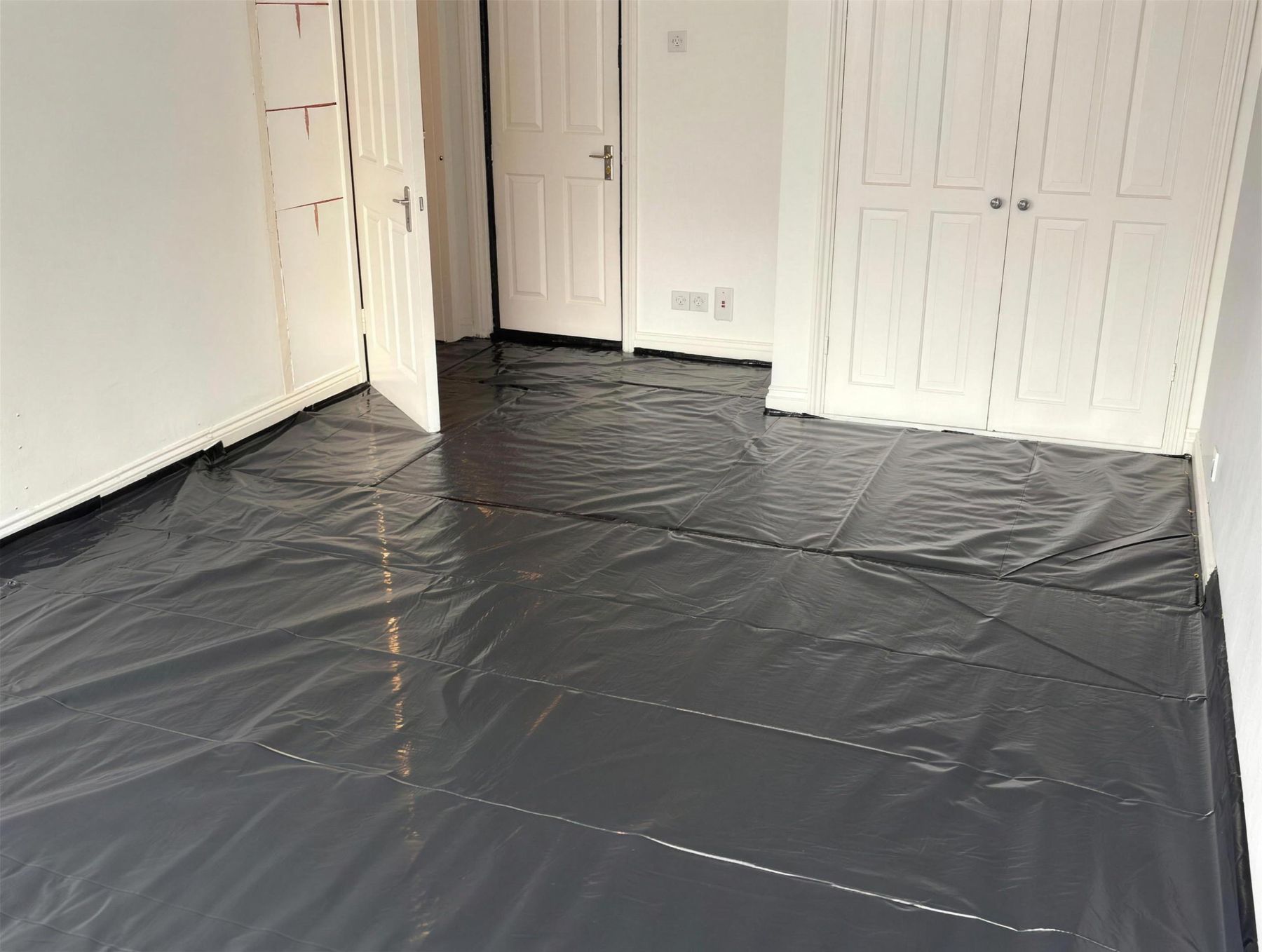
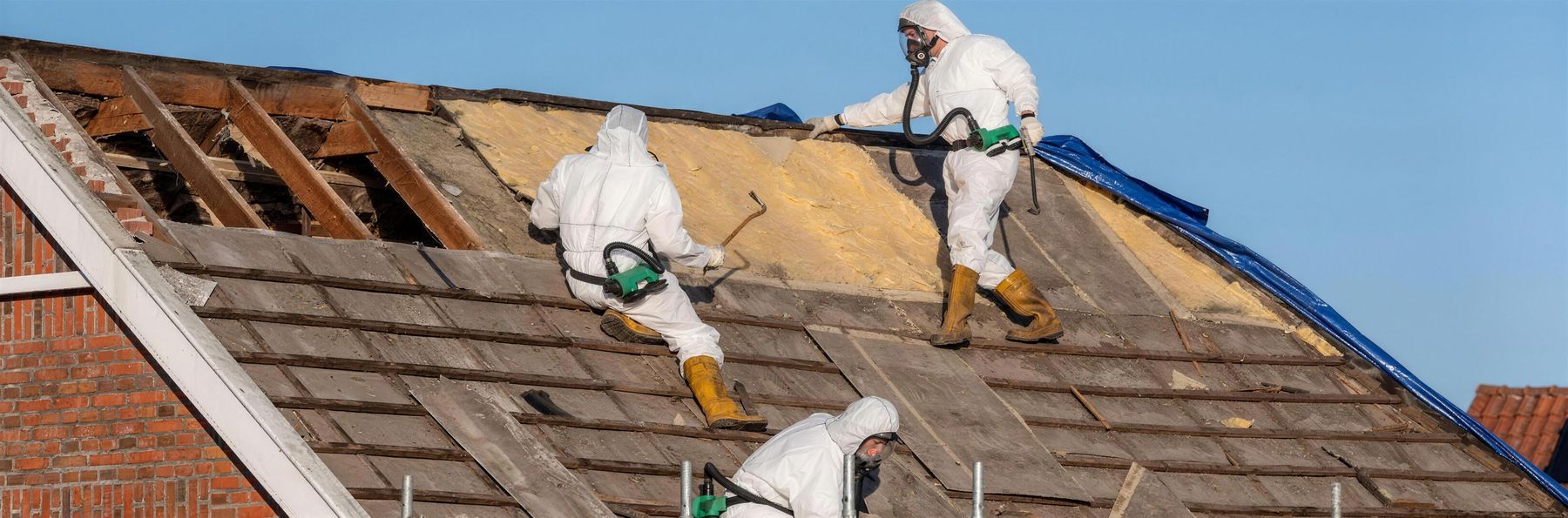
If the tiles are sound, they can often be left and covered with a new floor on top. If they need to come up for the work you are doing, they are removed with the area contained and the waste disposed of through licensed routes.
Quick questions

Can I lay a new floor over asbestos tiles?

Often, yes, if the tiles are in good condition and the new floor does not need them disturbed. Get them tested first so you know what is there.

Can you remove the adhesive as well?

Yes. If the tiles and adhesive need to come up, we remove both and clean the area down.

Want us to take a look?

Three quick taps and we’ll come back to you with clear next steps and a free, no-obligation quote.

What’s the job?

Tell us what you’ve found.

Send a few photos on WhatsApp or give us a call, and we’ll come back to you with clear next steps and a free quote.

Free, no-obligation quotes · BOHS P402 qualified surveyors · Registered waste carrier

CallWhatsAppFree quote